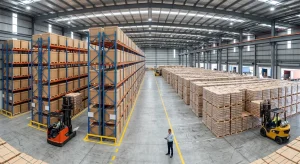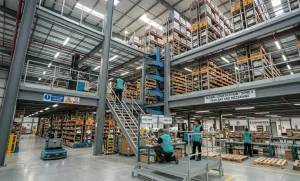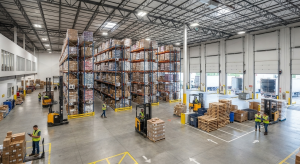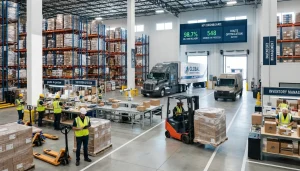
Corless Logistics Group helps businesses manage warehouse overflow with scalable solutions to handle inventory surges and maintain supply chain performance.
Rising consumer demand and limited storage capacity are putting increasing pressure on Australian supply chains, leading to warehouse overflows as a common operational challenge. When inventory surges exceed available space, businesses often experience disruptions across receiving, storage, and dispatch functions. Without a clear strategy, this can quickly lead to inefficiencies, delays, and increased safety risks.
Common Causes of Overflow in High-Volume Inventory Environments
Inventory surges in Australia are driven by both predictable and unexpected factors. Seasonal peaks such as Christmas, EOFY sales, and major promotions can rapidly increase inbound stock, while the continued rise of e-commerce adds volatility to buying patterns. This makes demand more difficult to forecast, often leaving warehouses either overstocked or struggling to keep up with fast-moving goods.
At the same time, limited access to flexible industrial space in key logistics areas restricts how quickly businesses can expand storage capacity. Slow-moving or excess inventory can take up valuable space that should be reserved for high-demand items, worsening the situation. As a result, warehouse overflow is not just about space constraints but also about how effectively inventory is organised and prioritised.
The Hidden Costs of Poor Overflow Management
Failing to manage overflow effectively can lead to serious operational and financial consequences for businesses. What may seem like a short-term storage issue can quickly escalate into wider supply chain inefficiencies, affecting service delivery, profitability, and compliance during peak periods. Overcrowded warehouses can disrupt safe operations and place pressure on transport schedules, reinforcing the need to treat overflow as a strategic priority rather than a temporary fix.
Some of the most common hidden costs include:
- Increased labour expenses due to overtime, temporary staff, and reduced productivity
- Higher handling costs from double movement and inefficient stock placement
- Transport inefficiencies caused by additional shuttling and missed dispatch windows
- Greater risk of workplace incidents due to congestion and compromised safety practices
- Declining customer satisfaction from delayed or inaccurate order fulfilment
Practical Strategies to Manage Warehouse Overflow Efficiently
- Prioritise Inventory Allocation – Start by segmenting inventory based on demand and movement. High-volume and fast-moving products should remain close to picking and dispatch zones, while slower or reserve stock can be relocated to secondary storage areas. This ensures that critical operations remain efficient even during peak periods.
- Leverage Flexible Overflow Storage – Short-term or scalable warehousing solutions provide businesses with the ability to manage excess stock without committing to long-term expansion. Flexible overflow storage allows companies to respond quickly to demand fluctuations while maintaining control over inventory levels. For businesses dealing with seasonal demand spikes, warehouse overflow solutions can provide the extra capacity needed without disrupting daily operations.
- Maintain Efficient Warehouse Flow – Protect key operational areas such as receivals, staging, and dispatch zones from becoming congested. Clear pathways and organised storage layouts are essential to maintaining productivity and ensuring safe movement of goods and equipment within the warehouse.
- Align Labour and Transport Planning – Increased inventory volumes require corresponding adjustments in workforce and transport capacity. Planning labour requirements and coordinating delivery schedules can help prevent bottlenecks and maintain service levels during peak demand.
Partner with Corless Logistics Group to Solve Warehouse Overflow
Managing warehouse overflow effectively requires more than simply adding space, as it involves strategic planning, operational efficiency, and flexible logistics support. With the right processes in place, businesses can turn inventory surges into opportunities for growth rather than disruptions. Corless Logistics Group offers tailored warehousing and transport solutions to help Australian businesses manage these challenges with confidence.
Contact us today to discuss how we can support your operations and keep your supply chain moving efficiently.
Related Blog Articles:
Smart Inventory Planning: How to Prevent Stockouts in Q1 2026
Supply Chain Consulting: How Corless Logistics Fixes Gaps in Your Inventory Workflow