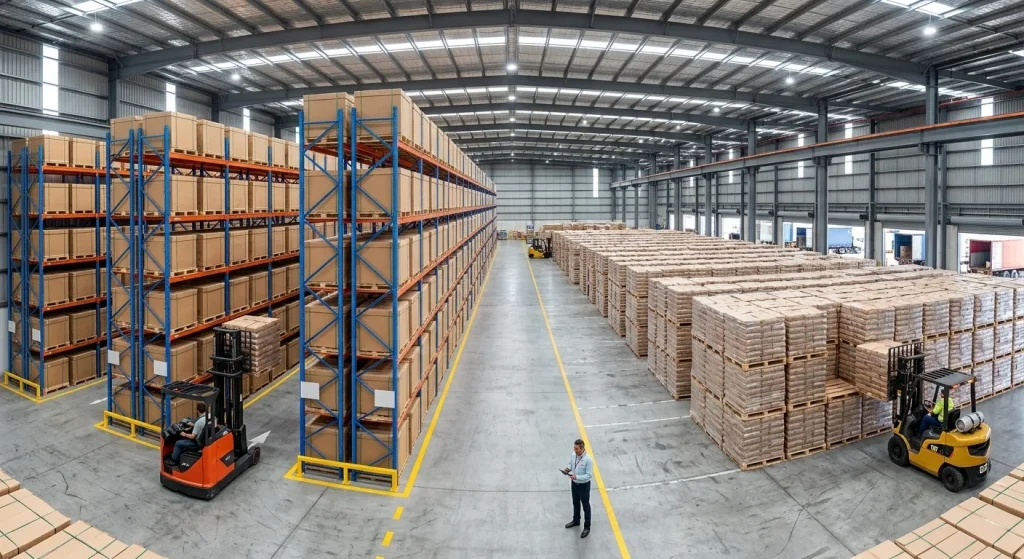
Compare pallet racking vs block stacking to match storage to your pallets, stock and pick frequency, with Corless Logistics Group in Blacktown.
Pallet racking vs block stacking comes down to two questions: how often you need to reach each pallet, and how well your stock copes with being stacked. Getting the choice right early affects picking speed, floor space and the safety of your stock. Here is how to decide.
Pallet Racking vs Block Stacking: What Is the Difference?
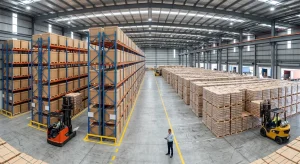
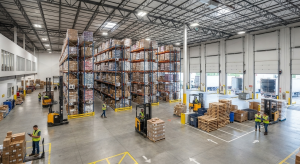
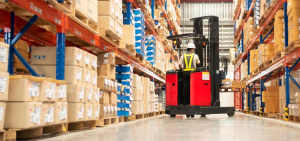
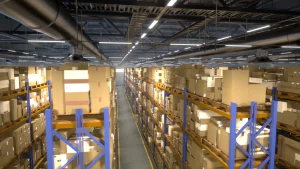
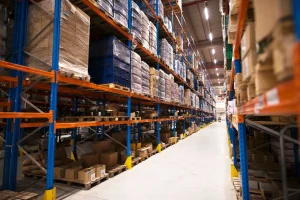
Pallet racking holds each pallet on its own beam level, so any pallet can be reached without moving another. Block stacking places pallets directly on top of each other on the floor, with no racking structure. It typically suits large quantities of one product, but pallets at the back or bottom of a block are harder to reach.
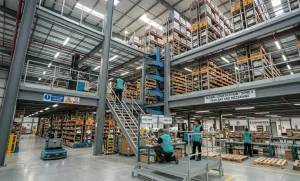
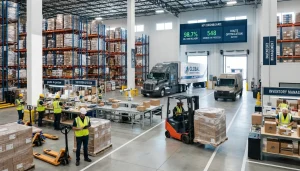
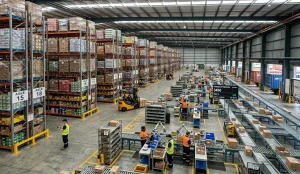
At Corless Logistics Group, our storage options at Blacktown can include a special pallet rack configuration, block-stacking and specialised handling, depending on your stock. Our pallet racking is configured to suit different sized pallets and allocated floor space.
Matching the Storage Method to Your Stock
- Racking suits: Mixed or slow-turning products, lines you pick often, and pallets that cannot safely carry others on top.
- Block stacking suits: Large quantities of the same product, uniform pallets and goods whose packaging can carry the weight above.
- Specialised handling: Awkward sizes, loose goods or stock needing shrink wrapping or other processing before storage. Tell us early so the handling can be planned.
Some businesses need both. Bulk stock can sit in blocks while fast-moving lines stay in racking, within easy reach for picking. Reviewing that split as your volumes change keeps the layout working for you.
What Should You Tell Your 3PL Before Storage Starts?
The more we know about your pallets, the better we can match pallet racking and block stacking to them. Please provide:
- Pallet details: Dimensions, weights and how the pallets are built.
- Stack limits: How many pallets high your packaging can safely carry.
- Pick frequency: Which products leave often and which sit for weeks.
- Arrival pattern: Expected volumes and timing of inbound deliveries.
- Handling needs: Any shrink wrapping or other processing required.
Our warehouse management system lets you view stock levels at any time, whichever storage method is used. If volumes jump beyond your usual footprint, our post on managing warehouse overflow explains how to handle high-demand inventory surges.
How Does Racking Safety Affect the Choice?
Racking carries safety requirements that matter when you plan loads. The SafeWork NSW pallet racking fact sheet says racking should be designed for the size, shape and weight of the products stored, and that rated capacities should never be exceeded. It also points to AS 4084 for inspection guidance, and says a competent person should carry out formal inspections at intervals of no more than 12 months.
Knowing your pallet weights up front helps keep each rack bay within its rating. It also tells us whether block stacking is a sensible option for that stock.
Talk Through Your Storage Layout
If you are weighing pallet racking and block stacking for your stock, send us your pallet sizes, volumes and how often you pick. Speak with our team to discuss a storage arrangement that suits your products.