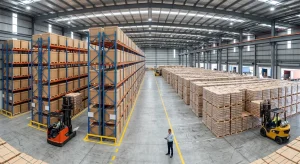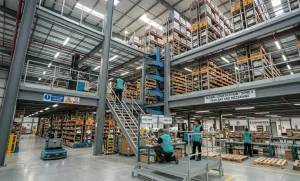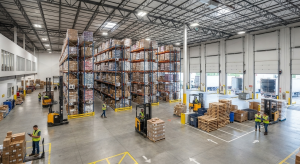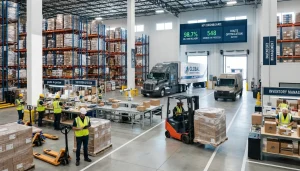
Inbound stock receiving in Sydney helps importers move goods from arrival to verified storage—define checks, records and exceptions first.
Receiving is the control point between transport and available inventory. A clear inbound procedure helps identify shortages, damage and data mismatches before stock enters fulfilment.
What Is Inbound Stock Receiving?
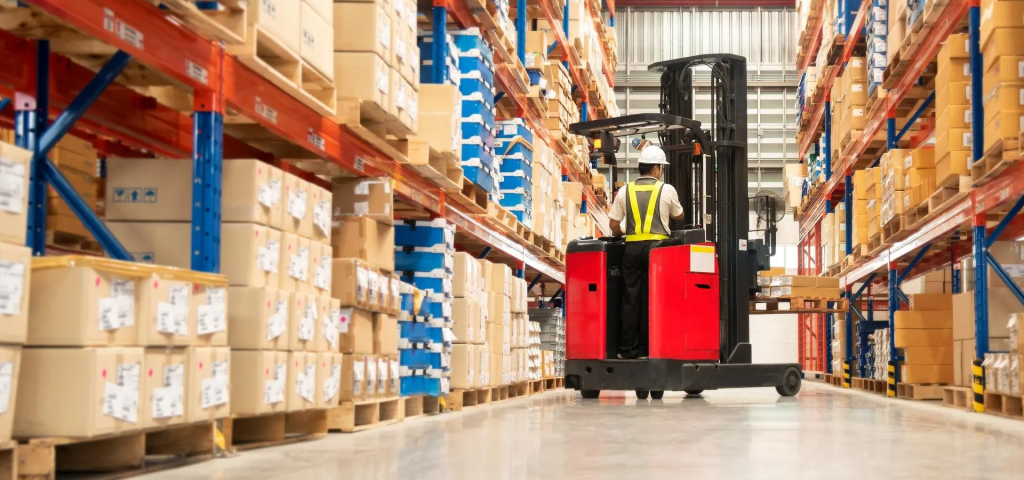
Inbound stock receiving is the process of accepting deliveries, checking them against agreed information, recording discrepancies and placing goods into assigned warehouse locations. The service scope can include container unpacking, pallet or carton checks, labelling, put-away and inventory updates.
Corless Logistics provides warehousing and storage services from its Blacktown facility in Sydney. Its capabilities include container pack and unpack, stocktaking, cycle counts, picking, kit assembly, reworks and national distribution.
Define the Receiving Rules Before Arrival
The 3PL needs accurate data before freight reaches the warehouse. Importers and wholesalers should provide:
- purchase order and supplier references;
- SKU, barcode and product descriptions;
- carton, pallet and expected quantity data;
- container or transport details and estimated arrival;
- handling, stacking or segregation instructions;
- batch, serial or expiry information where relevant;
- evidence required for damage or shortage claims; and
- the authorised response to an exception.
Specify whether checks are performed at pallet, carton or unit level. A broad request to “verify everything” can cause delays and unexpected handling charges if the inspection depth has not been agreed.
Manage Exceptions Before Stock Is Released
An exception workflow should identify who receives photographs, who decides whether goods are quarantined and who approves inventory adjustments. This is especially important when outward orders are already waiting for the shipment.
Corless Logistics’ warehouse management system supports inventory records and warehouse processes. System visibility is most useful when the client’s product master, units of measure and inbound references are clean and consistent.
Import clearance and biosecurity obligations remain separate from ordinary warehouse receiving unless expressly included in a contract. The Australian Border Force guidance on importing goods explains importer responsibilities and border processes. Confirm customs, quarantine and transport responsibilities with the appropriate licensed providers before directing freight to the warehouse.
Connect Receiving With Fulfilment
Inbound decisions affect every later step. Incorrect carton quantities can create picking errors; unclear batch data can weaken traceability; and poor put-away logic can slow dispatch. Agree on how received stock becomes available for orders and whether quality holds prevent allocation.
For promotional or retail programs, ask whether kitting and rework services are required before stock is released. Labelling, repacking or bundle assembly should be scoped separately with quantities, materials and acceptance criteria.
Prepare a Useful 3PL Enquiry
Provide product types, monthly inbound volume, container or pallet profile, SKU count, storage requirements, order channels and expected outbound activity. Identify fragile, regulated, high-value or unusually sized goods early so suitability can be assessed.
Corless Logistics operates a 12,000-square-metre facility in Blacktown and supports freight movement from Port Botany through to warehousing and national distribution. Exact service inclusions should be confirmed for each account.
Contact Corless Logistics with an inbound profile and forecast. A defined receiving, exception and reporting process will give your team a clearer basis for evaluating service fit, implementation timing and a tailored Sydney 3PL quotation.